





International Trade Lanes Europe to Australia

Global Freight Network

Customs Clearance Management

Door-to-Door Delivery

Dedicated Account Management

Years of Experience
0 +
Successful Projects
0 +
Agents Globally
0 +

The Europe to Australia Trade Lane

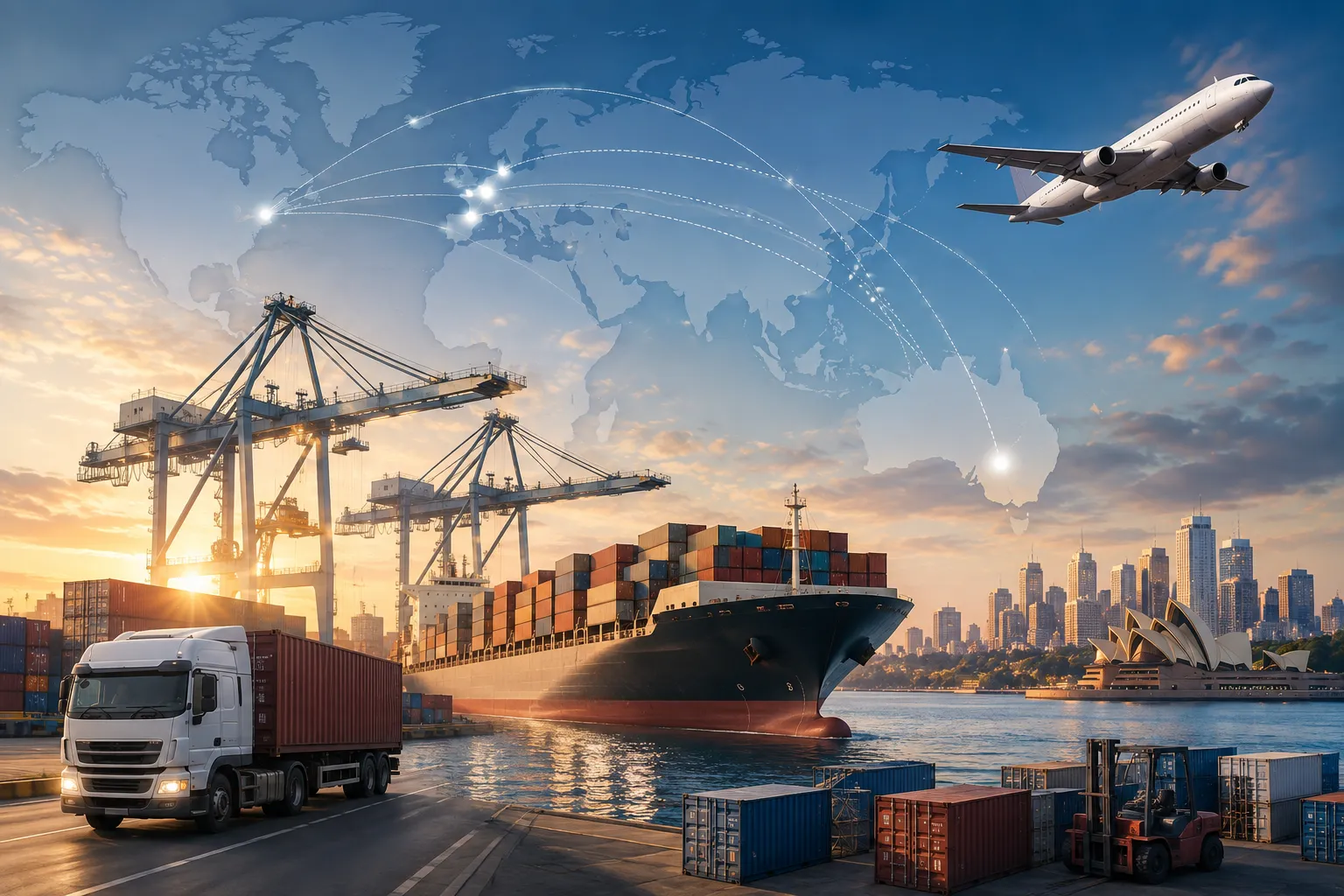
Europe to Australia is one of the most active long-haul trade lanes for Australian importers, connecting major manufacturing economies with Australian distribution networks across retail, automotive, industrial, and chemical sectors.

Origin Ports

Hamburg, Rotterdam, Felixstowe, Genoa, Barcelona, Antwerp

Australian Destinations

Sydney, Melbourne, Brisbane, Fremantle

Key Industries

Machinery, Retail, Automotive, Chemicals

What Businesses Commonly Ship on This Trade Lane

From precision machinery to consumer goods, AGC manages a wide range of cargo moving from European origins to Australian destinations.

Freight Options for Europe to Australia

AGC offers flexible ocean and air freight solutions for shipping from Europe to Australia, matched to your cargo type, volume, timeline, and budget across all major European origin ports.

Ocean Freight

Ocean freight from European ports to Australian destinations with full documentation management.

Air Freight

Fast air freight for time-critical or high-value cargo from European airports to Australia.

FCL

Dedicated full container load shipping for high-volume cargo moving from Europe to Australia.

LCL

Shared container options for smaller European cargo volumes, paying only for space used.

Challenges in the Europe to Australia Trade Lane

Shipping from Europe to Australia involves a long transit corridor with specific compliance, documentation, and port coordination requirements that demand proactive management throughout.

Transit Times

Long-haul ocean routes require precise booking and scheduling.

Customs Clearance

Australian Border Force compliance adds complexity at the destination.

Documentation

European export requirements vary by country and cargo type.

Port Congestion

Major European hubs are subject to seasonal congestion delays.

Import and Export Requirements for This Trade Lane

Importing goods from Europe to Australia requires accurate documentation, biosecurity compliance, and customs declarations lodged correctly before cargo arrives at Australian ports.

Transit Times and Route Overview

Understanding transit times helps Australian importers plan inventory, production schedules, and distribution timelines when shipping from Europe to Australia.

Ocean Freight

18 to 26 Days*

Air Freight

3 to 6 Days*

Common Origin Ports

Hamburg | Rotterdam | Felixstowe | Genoa | Barcelona | Antwerp

Sailing and Flight Availability

Weekly sailings. Daily flights.

Transit times are indicative and may vary based on origin, destination, carrier schedules, routing, and shipment circumstances.

Why Australian Businesses Choose AGC for Europe to Australia Freight

AGC combines established European agent relationships, customs clearance management, and proactive shipment management to give Australian importers one accountable partner for this trade lane.

Established International Partner Network

AGC's European agent network provides priority carrier access, local documentation support, and reliable origin coordination across all major European ports.

End-to-End Freight Coordination

Every shipment is managed from origin through delivery with one dedicated contact coordinating every stage throughout.

Customs and Compliance Expertise

AGC manages and coordinates the customs clearance process, including import declarations, biosecurity requirements, tariff classification, and import duty assessment, on behalf of customers through its partner network.

Flexible Ocean and Air Freight Options

FCL, LCL, and air freight options matched to your cargo volume, budget, and delivery timeframe.

Proactive Shipment Communication

Real-time milestone updates at every stage of your Europe to Australia shipment keep your team informed without chasing.

Why Businesses Choose AGC on this Trade Lane

Australian importers trust AGC for coordinated European freight, compliant documentation, and dependable support across complex multi-country shipments.

Multi-Country Expertise

Coordinating shipments across Europe's diverse export markets and regulations.

Origin
Coordination

Local support across major European ports and manufacturing hubs.

Documentation Accuracy

Country-specific export documentation managed before cargo departs origin.

Reliable
Scheduling

Freight planning aligned with long-haul Europe to Australia transit schedules.

Frequently Asked Questions

Common questions from Australian businesses about shipping from Europe to Australia, transit times, costs, and customs requirements are answered clearly.

How long does shipping from Europe to Australia take?
Ocean freight from major European ports to Australia typically takes 18 to 26 days*. Air freight typically takes 3 to 6 days*, depending on the origin airport and the Australian destination.
The most cost-efficient option depends on cargo volume, origin port, and timing. Our team can confirm the best option for your specific shipment.
Documentation requirements vary by goods and shipment circumstances. Commercial invoices, packing lists, certificates of origin where applicable, and Australian import declarations may be required.
Yes. AGC coordinates the customs clearance process for Europe to Australia shipments, including import declarations, biosecurity requirements, tariff classification, and duty assessment on your behalf.
Transit times are indicative and may vary based on origin, destination, carrier schedules, routing, and shipment circumstances.

More Trade Lanes AGC Manages for Australian Importers

AGC supports Australian businesses importing across multiple international trade lanes with dedicated freight coordination and customs clearance management.

Get a Quote for Your Europe to Australia Shipment

Share your cargo details, and an AGC freight specialist will respond with a tailored rate for shipping from Europe to Australia within 1 business day. Direct response, no automated systems.