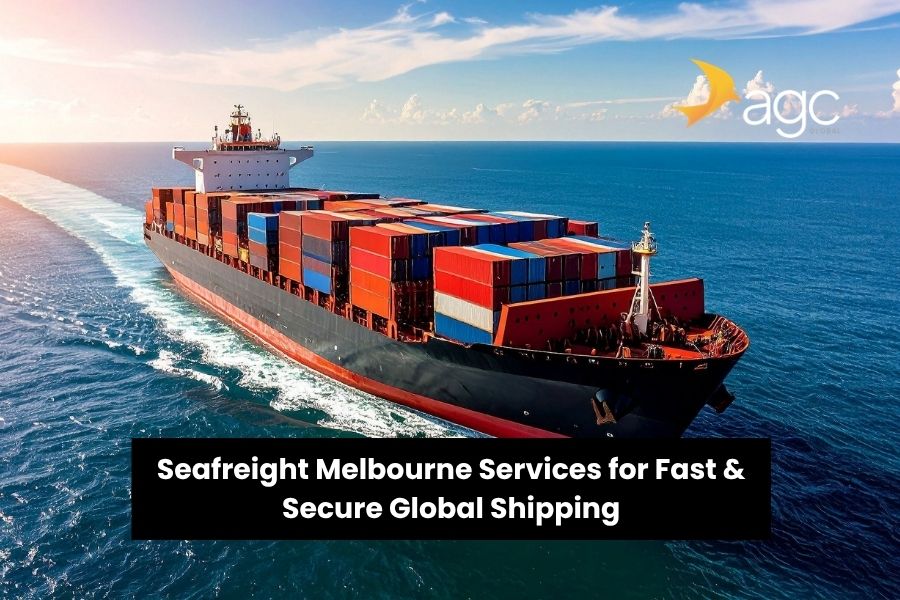
Moving goods across the ocean to and from Victoria can be a difficult job. Business owners have to deal with changing prices, strict port rules, and the constant stress of tracking their stock. To grow your business internationally, you need a shipping plan that keeps costs low and keeps your items safe.
For local businesses, seafreight Melbourne services are the most affordable way to move large amounts of stock. Flying goods across the world is fast, but it is too expensive for big orders. Ocean shipping lets you shift heavy or bulky stock without basically burning all your budget, in the end.
To get good results, you just need to get a feel for how ocean shipping works. This guide, pretty straightforward but still useful, will help you pick the right transport approach, manage the paperwork without too much pain and keep your operation moving along, even when things feel a bit chaotic.
Why Ocean Freight is the Best Choice for Global Trade
When you need to send commercial goods out of Victoria, choosing the transport mode is one of those small decision big outcome moments. Air travel is fast, but sea freight services in Melbourne options offer major benefits that planes simply cannot match.
Big Cost Savings for Large Orders
The main reason businesses lean on ocean shipping is because it saves money. If you send heavy items, bulky equipment, or bulk stock by air, it tends to cost a lot more. Ocean vessels usually price it based on the space you take up, not only the weight, so it turns into a cheaper deal for larger business orders.
Plenty of Space for Large and Heavy Goods
Planes have small doors and limited space inside. If your business sells big machinery, building materials, car parts, or large amounts of stock, ocean freight is your best option. Ships use large steel containers that can hold items of almost any size or weight.
Better for the Environment
Today, many businesses want to be more eco-friendly. Large cargo ships use fuel much more efficiently than planes, which means they create far less pollution per tonne of cargo. Choosing ocean shipping helps your business lower its carbon footprint while keeping costs low.
Choosing Your Container Space: FCL vs. LCL Shipping
When you’re planning your seafreight Melbourne approach, you basically pick between two routes, Full Container Load (FCL) or Less than Container Load (LCL). Both can work well, it depends on order size, budget reality and also your delivery timeline.
| Feature | Full Container Load (FCL) | Less than Container Load (LCL) |
| Container Space | You use the whole steel container by yourself. | You share space inside the container with other companies. |
| Best Suited For | Large bulk orders and heavy items. | Small shipments and regular stock updates. |
| Risk of Delays | Low, because the container stays closed until delivery. | Medium, because it takes extra time to sort different goods. |
| Cost Structure | One flat price for the whole container. | You pay only for the space your goods occupy. |
Full Container Load (FCL): Fast and Secure
FCL is when you rent a full 20-foot, or a 40-foot steel container purely for your own goods. You don’t share it with other businesses, so the cargo is kept separate from other shipments.
- Faster Delivery: Because it’s only your items in the container, your supplier packs everything and seals it right away, rather than having it sit in a pooled setup. It goes straight to the ship and travels directly to Melbourne without needing to be opened and sorted along the way.
- Better Security: Since the container stays locked from the supplier’s warehouse all the way to your door, the risk of damage or lost stock is very low.
- Simple Costs: FCL uses a flat fee for the container, making it very easy to calculate your total shipping costs.
Less than Container Load (LCL): Flexible for Small Orders
If your shipment is not quite big enough to fill a whole container, LCL is the option where you only pay for the space you actually need. Your products are packed into a shared container, along with boxes and pallets from other companies.
- Good for Cash Flow: You only pay for the exact space you use. This means you can ship smaller batches of stock regularly without waiting to buy a huge amount.
- Saves Warehouse Space: Instead of receiving a massive delivery that fills your warehouse, LCL lets you bring in smaller amounts of stock when you need them.
- Extra Time Needed: Remember that LCL takes a bit longer. Workers have to pack multiple shipments together before the ship leaves, and sort them again when the container arrives in Melbourne.
How to Keep Your International Sea Freight Safe
Ocean trips involve a lot of moving, changing weather, and border checks. To keep your cargo shipping Melbourne orders safe, you must pack well and follow standard rules.
Use Strong Industrial Packing
The journey across the sea means containers move around a lot on the waves. Normal boxes are not strong enough to protect commercial goods on a long trip.
- Put your items on strong wooden or plastic pallets.
- Spread the load evenly across the container floor, so nothing shifts or ends up leaning.
- Use air bags and ropes, plus blocks if needed, to help prevent boxes from sliding during the trip.
- Use moisture bags inside the container to stop damp air from ruining your stock.
Keep Your Paperwork Accurate
Errors on your shipping documents are the most common cause of customs delays and extra fees at the Port of Melbourne. Keep these key documents clear and correct:
- Bill of Lading: The official paper between you and the shipping company that proves they are carrying your goods.
- Commercial Invoice: A list showing exactly what you bought and the true price of the goods.
- Packing List: A guide that shows the weight, size, and contents of every box or pallet.
- Certificate of Origin: A document that proves which country made your goods.
Understanding the Port of Melbourne
The Port of Melbourne is the busiest port for container trade in Australia. It handles a massive amount of cargo every single day. Understanding how it works helps you plan your delivery dates accurately.
| Terminal | What It Does |
| Swanston Dock | Handles most of the international container ships that arrive every day. |
| Webb Dock | Uses modern automated systems to unload containers very quickly. |
| Appleton Dock | Specialises in large, unboxed items and heavy industrial materials. |
Managing Port Times and Local Delivery
Because the port is always busy, it can get crowded during peak shopping seasons. When multiple ships arrive at the same time, trucks have a limited amount of time to pick up containers before the port charges expensive storage fees.
Working with an experienced freight provider ensures your truck pickup times are booked early. This protects your business from unexpected fees and gets your stock to your warehouse quickly.
Handling Customs and Biosecurity in Victoria
Bringing cargo shipping Melbourne orders into Australia requires following strict border rules. Australia has some of the toughest biosecurity laws in the world to protect local plants and animals from pests and diseases.
Following Cleaning and Fumigation Rules
Certain items like wood, raw materials, and agricultural products must be treated before they can enter the country. If your supplier does not clean the items correctly or fails to send the right certificate, customs will hold your container or send it back.
A good international sea freight Melbourne partner checks these rules for your specific goods before the ship leaves. This stops expensive delays when your items arrive in Victoria.
Understanding Taxes and Duties
The total cost of importing is more than just the price of the ship space. Your business must budget for local taxes when the goods arrive:
- GST (Goods and Services Tax): A 10% tax on the total value of the goods and the shipping cost.
- Customs Duty: A tax that changes depending on the type of product you are importing.
- Port Fees: Local charges for unloading the ship and processing your paperwork.
Tracking Your Shipments Online
In modern business, you need to know exactly where your cargo shipping Melbourne orders are so you can manage your stock and talk to your customers.
Step-by-Step Tracking
You do not need to call brokers to find your items. Modern ocean freight shipping Melbourne services offer simple online tracking to show you where your goods are:
- Cargo Received: Your goods have arrived at the starting warehouse.
- Departed Port: The container is loaded on the ship and moving.
- In Transit: Tracking updates if the ship stops at other ports along the way.
- Arrived in Melbourne: The ship has docked safely at the port.
- Customs Cleared: Customs has checked your papers, and your goods are ready for a truck.
Using Tracking Info to Save Money
Knowing exactly when your goods arrive helps you schedule your warehouse staff and truck drivers perfectly. This stops you from paying people to wait around when a shipment is late.
Finding the Right Freight Partner in Melbourne
The international shipping market changes fast, and bad weather or port delays can happen. Partnering with a dedicated logistics team is the best way to keep your goods safe.
Look for Local Knowledge and Global Connections
Choose an ocean freight Melbourne partner that has an office in Victoria but also has agents in the countries where your suppliers live. This gives you helpful local service and smooth handling at both ends of the trip.
Choose Clear Communication
When shipping delays happen, you need to know about them immediately. Look for a company that gives you updates and lets you speak directly to real managers who can solve problems fast.
Frequently Asked Questions
What determines seafreight Melbourne shipping costs?
Ocean rates depend on the size of your goods, their weight, the distance from the starting port, fuel prices, and whether you choose FCL or LCL space. Busy holiday seasons and local port unloading fees also affect the final price.
How long does sea freight shipping to Melbourne take?
The time depends on the route. Shipping from major Asian ports to Melbourne usually takes 18 to 25 days. Shipping from Europe or North America is a longer journey and usually it takes 40 to 50 days, depending on the ship’s stops, and sometimes the schedule feels kinda unpredictable too.
What is the difference between FCL and LCL shipping?
FCL means you reserve a whole shipping container just for your business items. LCL means you share space inside one container with other companies, and it’s often a smart option for smaller consignments, because you only pay for the portion you use, which saves money.
How do I protect my cargo from damage?
To keep goods safe, use strong pallets, pack items tightly so they cannot move, label boxes clearly, and use dry packs to stop moisture damage. A professional packing team can help make sure your items survive the long sea voyage.
What documents are required for Melbourne customs clearance?
You will need a Bill of Lading, a Commercial Invoice, a detailed Packing List, and any required Biosecurity Certificates. All information on these papers must match perfectly to avoid delays at the border.
Can ocean freight handle temperature-sensitive cargo?
Yes, they can. Food, medicines, and chemicals travel in special refrigerated containers called reefers. These containers stay at the exact temperature you need during the whole trip to stop your goods from spoiling.
What extra fees apply when cargo arrives at the Port of Melbourne?
When your container lands, you must pay port handling fees, customs clearance costs, import duties, and Australian GST. You also need to pay for a local truck to bring the container to your warehouse.
Improve Your Shipping Plan Today
To build a successful international business, you need a reliable shipping plan that keeps costs down and keeps your stock safe. Relying on messy plans or random booking websites often leads to unexpected delays and hidden fees that hurt your profits.
By working with an experienced logistics team, you get guaranteed container space, clear customs advice, and simple online tracking. Take control of your international trade lanes today.
Contact AGC Global to build a fast, secure, and affordable seafreight Melbourne plan for your business.