Moving huge items, like a 100-tonne rock crusher or an 80-metre wind turbine blade, needs much more than a normal truck. For this kind of heavy lift cargo and oversized freight shipping, businesses use a special type of transport called project cargo.
In Australia, changing weather and state rules make specialised cargo handling vital for all industrial freight Australia. One small mistake can cause costly delays. This guide explains project cargo logistics Australia, showing how these massive shipments reach the job site safely.
What is Project Cargo Logistics Australia?
To put it simply, project cargo is the moving of very large, heavy, expensive, or complex equipment. These are items that are just too big to fit inside a normal shipping container.
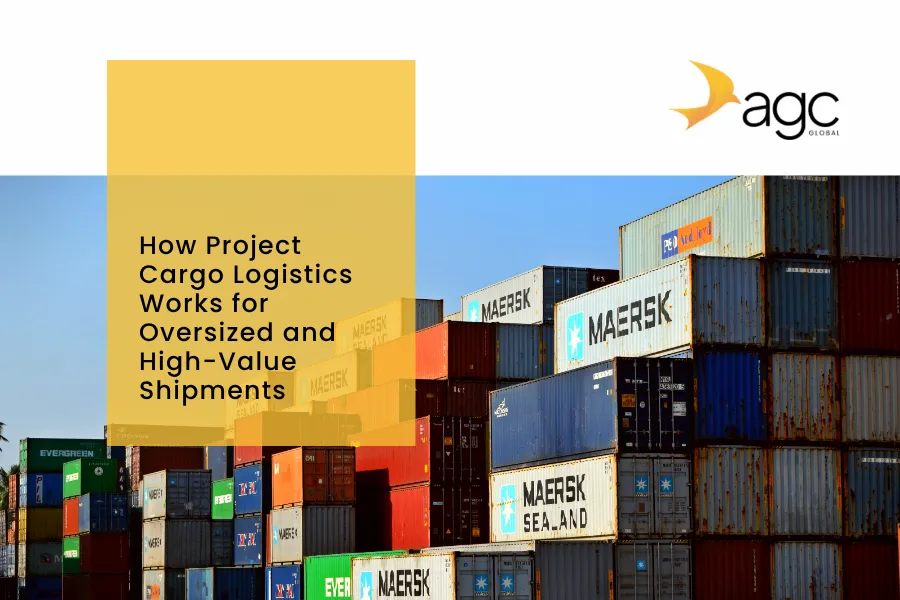
Think about standard shipping for a moment. Standard shipping is easy to predict. Goods are packed into standard steel boxes (called shipping containers), loaded onto regular trucks, and lifted by regular port cranes. Project cargo is completely different. These shipments break all the standard size and weight limits.
Project cargo logistics Australia is much more than just booking a big truck. It is a major planning job. It involves mapping out the roads, building special frames to hold the goods, checking if bridges are strong enough, and talking to police and road crews to keep the public safe during the move.
Important Words Used in Complex Shipping
To get a feel for how this works, it helps to know a few main words people in the shipping industry use a lot. Here are the big ones you’ll probably hear again, and yes, they sound technical, but you’ll get it.
Managing Heavy Lift Cargo
If a consignment is too heavy for normal carriers, and cranes can’t just lift it casually or move it the usual way, then it’s heavy lift cargo. This kind of shipment can be huge items like factory generators, power plant transformers, or even large mining trucks.
To shift these very heavy pieces across the ocean, firms rely on special heavy-lift vessels, ships that have strong cranes mounted right there on the deck. When the move happens on land, the transport crew usually brings in specialised trailers with a lot of wheels. These multi-axle trailers spread the extreme weight evenly across the road. This stops the heavy load from cracking the road or breaking bridges.
How Oversized Freight Shipping Works
While heavy lift is about weight, oversized freight shipping is about the size and shape. If an item is too wide, too tall, or too long to fit safely in a normal road lane, it is oversized.
Examples include parts of aeroplanes, long steel bridge beams, or even whole pre-built houses. Moving oversized freight takes up a lot of teamwork. Sometimes, the transport team has to temporarily close public roads. They might have to take down street signs or ask the power company to lift power lines higher so the tall truck can drive underneath safely.
Understanding Break Bulk Cargo
Normally, goods are packed into metal shipping containers. Break bulk cargo refers to large items that cannot be packed this way. Instead of going into a box, these items are loaded onto the ship or truck one by one.
They are often strapped to flat platforms or placed right into the bottom of a large ship. Handling bulk cargo breaks takes a lot of physical work. Workers need to use custom lifting straps and chain the cargo down very tightly, so it does not slide around when a ship hits big ocean waves.
The Steps of Specialised Cargo Handling
Moving a multimillion-dollar piece of equipment takes months of hard work. To make sure nothing goes wrong, specialised cargo handling is broken down into careful steps.
Step 1: Checking the Roads and Planning the Route
Before the transport even begins, the logistics team does a test run. A team will actually drive the planned route in a normal car to look for danger. They measure how wide the roads are. They check the height of tunnels and power lines. They also check if the local bridges can hold heavy weights.
Sometimes, the team runs computer mapping software to check whether a heavy vehicle can still navigate a tight bend. If there’s a major issue, like a roundabout that is just too small, the crew has to change the plan. They might even create a temporary dirt track, or a short access way, just to route it around the hazard.
Step 2: Custom Engineering and Safe Lifting
Expensive cargo can easily break if it is bumped around too much. Engineers work closely with the people who built the equipment. Together, they design special metal frames and brackets to keep the cargo safe during the trip.
Lifting these items with a crane is also a big problem. The engineers must find the exact centre of weight. If the crane hooks it in the wrong spot, the giant piece of metal could swing wildly or tip over during the lift. Everything must be perfectly balanced.
Step 3: Using Different Types of Transport
Most huge shipments cannot reach their final home using just one type of transport. They usually need a mix of trucks, trains, and ships.
For example, a massive solar battery built in Japan might travel on a flat river boat to a big port. Then, it gets loaded onto a heavy-lift ocean ship to travel to Sydney. Finally, it gets placed onto a multi-wheel truck to drive to a solar farm in regional New South Wales. Making sure the cargo moves smoothly from the boat to the truck is the most important part of the job.
The Challenges of Industrial Freight Australia
Australia is a huge country with extreme weather and strict laws. These challenges make logistics much harder here than in other parts of the world. If you need to move industrial freight Australia, you need a team that knows the local rules.
Rules, Laws, and Special Permits
Every state and territory in Australia has different rules for the roads. Moving a massive load from Queensland into New South Wales means following two different sets of laws.
Logistics companies must ask the government for special permits. These include:
- Weight and size permits: Permission to drive a vehicle that is bigger than normal.
- Police and pilot vehicle permit: Getting cars with flashing lights to drive in front of and behind the truck to warn other drivers.
- Local council permits: Permission to drive through small towns.
- Power company permits: Asking workers to lift or turn off power lines on the route.
If a company forgets to get even one of these permits, the police will stop the truck. The cargo will be stuck on the side of the road, which costs the business a lot of money every single day.
Coping with the Australian Weather
Because Australia is so big, trucks have to drive thousands of kilometres across empty land. The weather can cause huge problems. In Northern Australia during the wet season, heavy rain can wash away dirt roads in just one day.
Extreme outback heat can also melt the road tar or cause the truck engines to overheat. A good logistics partner will watch the weather forecast very closely. They make backup plans, so the cargo is always safe, no matter what the weather does.
Problems at the Ports
Not every harbour or port can handle oversized cargo. If a ship brings a 150-tonne factory machine to Australia, the port needs very deep water for the big ship. The concrete docks must be extra strong so they do not crack under the weight. The port also needs giant cranes ready to lift the load. Logistics planners must choose the right port carefully, even if it means driving a little further on the road to get to the final job site.
How We Keep Expensive Shipments Safe
When businesses move equipment worth millions of dollars, they cannot take any risks. The best transport companies use strict safety rules to protect the goods, the workers, and the public.
- Great Insurance: Normal shipping insurance is not enough. You need special project cargo insurance. This covers accidents, weather damage, and even pays the business back if the delivery is late and causes the project to lose money.
- Weather Protection: Heavy rain and salty ocean air can cause metal to rust. Transport teams wrap the big equipment in thick, special shrink wrap to keep all the water and salt out.
- Live Tracking Devices: Modern transport uses GPS computers. These little devices are stuck onto the cargo. They tell the owner exactly where the truck is on a map. They also measure temperature and track if the cargo is getting bumped around too much on a bumpy road.
Frequently Asked Questions (FAQs)
What is project cargo logistics in Australia?
Project cargo logistics in Australia is the careful planning and moving of huge, heavy, or very expensive items. Standard shipping containers can’t really fit these oversized items, so logistics teams end up using special trucks heavy cranes and kind of custom travel plans to get the cargo to its destination safely.
What is heavy lift cargo?
Heavy lift cargo means items that are just too heavy for normal trucks or even typical cranes to handle. This can include massive mining machines and power transformers. To move them, crews rely on special heavy-lift ships plus multi-axle trailers, so the heavy weight gets spread evenly across the road, and then you avoid damage.
Why do you need permits for oversized freight shipping?
Oversized freight shipping in Australia needs special permits because the items are wider or taller than normal. You must get permission from local councils, state road rules, and sometimes police escorts. Getting these permits makes sure the big move is safe and legal on public roads and highways.
How is break bulk cargo different from normal shipping?
Normal shipping puts goods into standard steel containers. Break bulk cargo involves items that are too big or strange in shape to fit in those boxes. Instead, these items are loaded piece by piece directly onto a ship or a flat truck. It takes careful planning and special tiedowns to stay secure.
Why is checking the travel route so important?
Checking the route is a vital part of specialised cargo handling. A team drives the exact path before the move to look for problems. They check if bridges are strong enough, if roads are wide enough, and if power lines are too low. This planning stops accidents and keeps the heavy cargo moving.
Who needs industrial freight Australia services?
Many large businesses rely on industrial freight Australia services. The main industries are mining renewable energy civil construction, oil and gas. These businesses often transport extremely large equipment, like wind turbine blades or big factory components, over long distances without issues.
How do you keep expensive shipments safe on the road?
We protect high-value shipments by using solid packing materials, for example heavy-duty shrink wrap to reduce rust and weather damage.. We also build strong custom frames to hold the items completely steady. Finally, we use live GPS tracking devices to monitor the location and ensure a smooth ride.
Conclusion
Moving huge project cargo takes much more than just owning a big truck. It takes smart engineering, knowing the local laws, and highly detailed planning.
When moving oversized and high-value shipments, one tiny mistake can pause an entire building project. That is why choosing an expert is the best choice you can make. With years of experience moving complex freight and a great fleet of modern trucks, AGC Global Australia has the skills to solve your hardest transport problems.
Need to move oversized freight safely? Contact AGC Global today for a custom transport plan that keeps your project on time and on budget.