Meeting customer expectations for fast and accurate delivery directly protects your profit margins. Central to fulfilling these promises is the seamless integration of warehousing and transportation in Australia.
While long-haul shipping moves cargo across vast distances, the ultimate operational test happens during the final leg: the last mile. Overcoming Australia’s vast geography and congested urban centers requires smart strategy, modern infrastructure, and local logistics expertise.
Understanding Last Mile Logistics in the Modern Supply Chain
Last mile logistics refers to the final step in the order fulfillment journey. This process takes a parcel from a regional distribution hub or fulfillment warehouse and delivers it directly to its end destination, such as a private residential doorstep or a commercial storefront.
Representing the shortest physical distance of the entire journey, the last mile is widely acknowledged across the logistics sector as the most complex, expensive, and critical stage.
Why the Final Leg Drives Up Freight Overhead
Final stage fulfillment can absorb over half of total shipping expenditures due to unique factors across the local Australian market:
- Urban Traffic Congestion: Heavy traffic in Sydney, Melbourne, and Brisbane delays deliveries and increases fuel costs.
- Low Drop Density: Australian suburban sprawl spreads delivery points across larger physical distances.
- Failed Deliveries: Unattended addresses, restricted apartments, or wrong details cause costly re-delivery runs.
- High Consumer Expectations: Buyers demand fast dispatch, live GPS tracking, and free or low-cost shipping.
Inefficiencies during the final delivery stage can harm brand trust. Conversely, a streamlined fulfillment model transforms final stage delivery into a distinct competitive advantage.
The Core Framework: Combining Warehousing and Transportation in Australia
Mastering the final delivery leg requires building a solid operational foundation using synchronized warehousing and transportation in Australia. Storage hubs and transit networks cannot perform effectively as isolated units; they must function as an integrated logistics ecosystem.
Strategic Warehouse Storage Solutions for Rapid Delivery
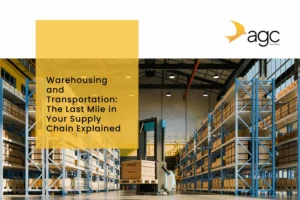
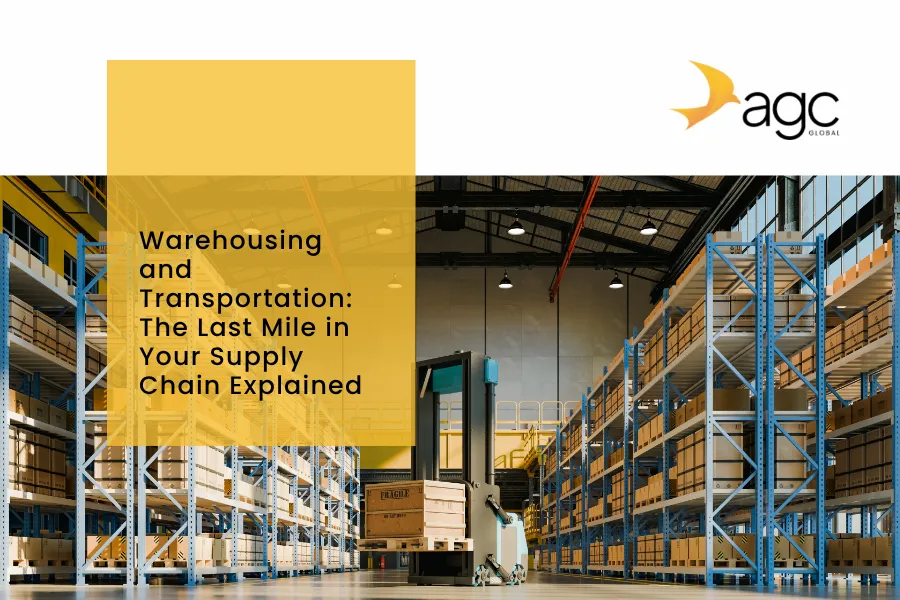
A commercial facility is no longer just a passive storage structure filled with wooden pallets. In a modern Australian supply chain, a fulfillment site functions as a dynamic, data-driven distribution node.
High-performing warehouse storage solutions rely on key innovations:
- High-Density Racking Systems: Vertical space utilization maximizes storage volume while keeping fast-moving inventory accessible for immediate picking.
- Warehouse Management Systems (WMS): Enterprise software provides real-time visibility into inventory levels, batch tracking, and order picking accuracy.
- Strategic Micro-Fulfillment Positioning: Locating fast-moving stock closer to major urban consumer hubs shortens delivery times.
Smarter Freight Distribution Melbourne and National Transport Networks
Once items are picked, packed, and staged, transportation networks step in. Managing freight distribution across Australia requires a flexible fleet structure capable of handling heavy B-double linehaul loads, regional container trailers, and local courier vans.
Executing freight distribution in Melbourne provides a clear example of these operational dynamics. Victoria’s logistics grid depends on direct access to the Port of Melbourne, major arterial highways such as the M1 and M80 ring road, and strategic staging hubs located in industrial areas like Pakenham, Altona, and Dandenong.
Major Bottlenecks Facing Australian Supply Chain Management
Managing commercial freight movement across the Australian continent presents distinct geographic and economic conditions that demand careful supply chain management:
Geographic Isolation and Distance
Australia’s population is heavily concentrated in coastal capital cities separated by vast rural distances. Balancing cost-effective long-distance linehaul transport with rapid suburban parcel drop-offs requires a resilient hub-and-spoke distribution setup.
Escalating Fuel and Operational Overhead
Fluctuating fuel prices, rising commercial warehouse rent, and fleet maintenance costs put pressure on business profit margins. Without route planning tools and load consolidation strategies, freight expenses can escalate quickly.
Industry Labour Shortages
The transport and logistics sector regularly navigates shortages of skilled personnel. Sourcing experienced warehouse controllers, forklift operators, and licensed heavy vehicle drivers requires streamlined processes and smart automation.
How Third-Party Logistics Australia Solves Last Mile Complexities
Constructing custom distribution facilities, buying transport fleets, and integrating logistics management software requires significant capital investment. Because of these requirements, expanding brands frequently partner with established third-party logistics Australia providers like AGC Global.
Delegating fulfillment to an experienced 3PL partner delivers major strategic benefits:
1. Capital Flexibility and Scalable Infrastructure
Instead of committing to fixed long-term commercial property leases or purchasing delivery vehicles, working with a 3PL lets you scale storage capacity and freight volume up or down based on seasonal demand spikes, promotional cycles, or business expansion.
2. Advanced Technology and Real-Time Visibility
Leading 3PL providers invest heavily in digital logistics management tools. Partnering with them gives your business direct access to enterprise WMS and TMS setups, direct API connections with major e-commerce platforms, algorithmic route planning, and automated customer tracking alerts.
3. Freight Volume Aggregation and Cost Savings
Established logistics operators process substantial cargo volumes daily. By combining shipments across their client base, 3PL partners secure favorable shipping rates across road, air, and sea freight networks, passing those savings directly to client businesses.
4. Coordinated Customs and Regulatory Handling
For businesses engaged in international trade, combining global freight forwarding with local warehouse storage ensures smooth customs clearance, biosecurity compliance, and prompt wharf cartage.
Actionable Steps to Optimise Last Mile Deliveries
Businesses seeking to streamline logistics operations and reduce freight spend can implement this practical operational framework:
- Audit Logistics Data: Review past records and transit times to fix cost leaks.
- Decentralise Stock: Hold fast-moving inventory near key city hubs to speed up delivery.
- Standardise Packaging: Use uniform cartons and barcode scanners to lower costs and errors.
- Automate Tracking: Send SMS and email GPS updates to reduce missed deliveries.
- Partner with Specialists: Work with a logistics provider to streamline your entire supply chain.
Comprehensive Strategic Comparison of Logistics Fulfillment Models
This matrix evaluates the operational, financial, and technological tradeoffs between in-house management, carrier services, and integrated 3PL partnerships to help you choose the ideal supply chain framework.
|
Operational Feature |
In-House Warehouse & Fleet |
Standard Freight Carrier |
Integrated 3PL Partnership |
|
Upfront Capital Spend |
High (Leases, vehicles, IT) |
Minimal (Pay per package) |
Low (Scalable pay-as-you-go) |
|
Process Control |
Total internal control |
Minimal control after dispatch |
Full system visibility with expert execution |
|
Last Mile Agility |
Fixed capacity constraints |
Vulnerable to network delays |
Optimized via consolidated networks |
|
Resource Scalability |
Slow and expensive to adjust |
High volume capacity |
Fast adjustments to market demand |
|
Technology Integration |
Costly to build internally |
Basic package tracking |
Enterprise WMS, TMS, and API setups |
Frequently Asked Questions (FAQs)
What is the main link between warehousing and transportation Australia wide?
Modern warehousing and transportation Australia wide form a single, synchronized distribution network. Warehousing keeps stock organised and ready for picking, while transport networks move goods to end destinations. When connected seamlessly through 3PL systems, both functions shorten transit times and eliminate costly operational delays.
Why is last mile logistics considered the most expensive delivery stage?
Last mile logistics incurs high costs because of low suburban drop density, frequent traffic congestion, and extra fuel usage. In Australia, long distances between drop points and re-delivery charges for failed attempts add further expenses. Consolidating delivery runs through 3PL networks helps lower these steep expenses.
How do 3PL services in Australia help growing businesses?
Scaling a business is tough when your capital is tied up in warehouse leases and delivery fleets. Partnering with a third-party logistics provider removes that burden entirely. You get instant access to flexible storage, advanced inventory software, and lower pre-negotiated freight rates. This allows you to expand across Australia without the massive overheads.
What should you look for in warehouse storage solutions?
The best storage setups start with location. Being close to major transport hubs makes a huge difference in dispatch speeds. You also want a facility with smart real-time tracking, high-density racking, and efficient pick-and-pack systems that plug directly into local transport networks.
How does dedicated freight distribution in Melbourne enhance business operations?
Specialized freight distribution Melbourne services leverage key transport corridors like the M1 and Port of Melbourne access. Local staging yards and tailored suburban routing ensure fast order fulfillment across Victoria, helping businesses prevent delivery of bottlenecks and maintain high service standards.
Why is tech-driven supply chain management essential for Australian retail?
Manual processes cannot keep up with today’s retail demands. Modern supply chain management relies on automated dispatch, real-time GPS tracking, and smart route optimisation software. These technologies give you complete visibility over your stock, slash administrative overheads, and provide buyers with accurate tracking updates, creating the transparency that builds lasting brand trust.
Can international shippers benefit from domestic warehousing in Australia?
Absolutely. Pairing international freight forwarding with local warehouse storage takes the headache out of customs clearance, biosecurity compliance, and container unpacking. By holding stock locally in hubs like Melbourne, overseas sellers can fulfill Australian orders in days rather than weeks, completely bypassing international shipping delays.
Transform Your Supply Chain with AGC Global Australia
Mastering warehousing and transportation in Australia isn’t just about moving boxes from a facility to a truck. It’s about building a dependable, cost-effective setup that protects your profit margins and helps your business grow. When you solve last-mile delivery headaches with smart storage and optimized routing, every package that arrives on time builds real trust with your customers.
At AGC Global, we get the day-to-day realities of Australian supply chains. We deliver tailored, end-to-end logistics solutions, handling everything from international air and ocean freight to flexible warehouse storage and fast last-mile distribution in Melbourne and across the country.
Ready to optimise your warehousing and last mile logistics?
Call AGC Global on 1300 086 205 or visit our website today to discover how our 3PL services can boost your business.